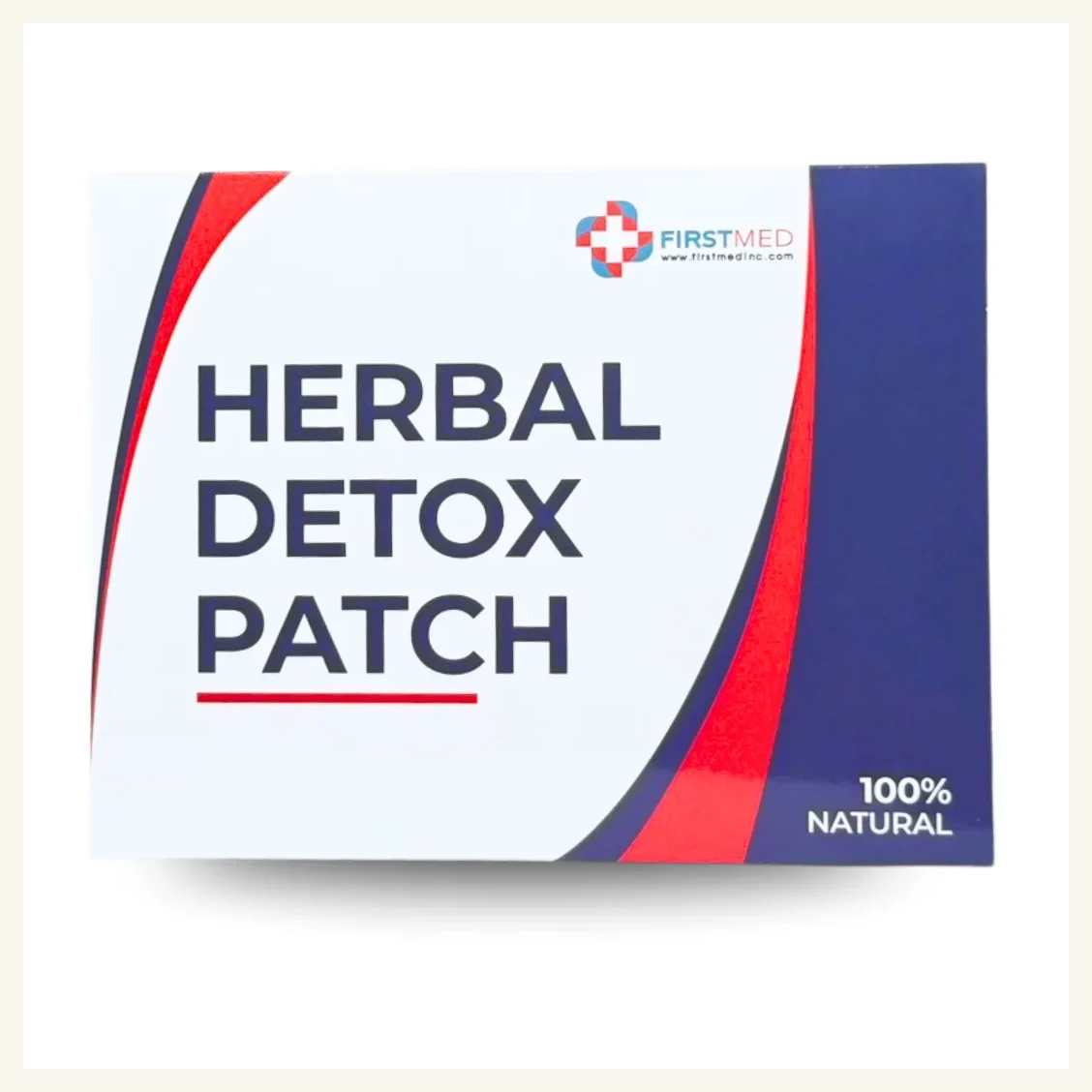
Search for nicotine patches and you will find long lists of benefits: sharper memory, better focus, protection against Parkinson's, relief from colitis and pain. Most of those lists are built from a handful of studies, and some of those studies found nothing. This guide goes through the research that exists, study by study, and says what each one found and how much weight it can carry.
Who the research has mostly studied
Most nicotine research has been done in people who smoke, or in people who already use nicotine every day. Studies in people who have never used nicotine are much rarer. That gap matters. A result in a smoker does not automatically tell you what happens in someone who has never used nicotine.
Mild cognitive impairment: a small pilot
The study most often cited for non-smokers is a six-month pilot published in Neurology in 2012. It randomised 74 non-smoking adults with amnestic mild cognitive impairment, a memory condition that sits between normal ageing and dementia. Thirty-nine people received a 15 mg daily transdermal nicotine patch and 35 received a placebo. Sixty-seven completed the study.
The main attention test showed a significant improvement in the nicotine group. The clinician's overall rating of global improvement did not. The authors called it an initial study. A better score on an attention test is a measurable change, but it is not the same as a change in how someone functions day to day, and a study this small cannot settle the question.
Parkinson's: a larger trial with no benefit
The NIC-PD trial, published in NEJM Evidence in 2023, tested whether nicotine could slow early Parkinson's. Participants had been diagnosed within the previous 18 months and were not yet taking dopaminergic treatment. Of 163 people enrolled, 101 were assessed for the main outcome, a standard disability score. Worsening was 6.0 points in the nicotine group and 3.5 points in the placebo group. That difference was not statistically significant (P=0.06).
A secondary outcome did favour placebo. At 52 weeks, the nicotine group worsened by 9.1 points against 5.4 for placebo, and the confidence interval excluded zero. Skin reactions at the patch site were common. The authors concluded that one year of transdermal nicotine did not slow progression. It is a placebo-controlled trial, and its main result is negative.
COVID-19 in intensive care: no benefit
The NICOVID trial, published in Intensive Care Medicine in 2022, randomised 218 adults on mechanical ventilation for COVID-19 pneumonia across 18 French intensive care units. Patients received either a 14 mg daily nicotine patch or a placebo patch. Day-28 mortality was 28% in both groups, and ventilator-free days were the same. The authors wrote that there is no indication to use nicotine in this situation.
Ulcerative colitis: few trials, mixed results
A 2010 systematic review and meta-analysis in Clinical Therapeutics pooled three placebo-controlled trials with 233 patients who had active ulcerative colitis. Nicotine was not significantly better than placebo at inducing remission (relative risk 1.40, 95% CI 0.63 to 3.12). Adverse events were significantly more common with nicotine (relative risk 1.95, 95% CI 1.38 to 2.78).
The authors described the findings across studies as inconsistent. The pool is small and the trials are older, so the evidence is weak in either direction. It is not a basis for using nicotine for colitis.
Pain after surgery: no significant effect
A 2025 meta-analysis in the Indian Journal of Anaesthesia looked at perioperative transdermal nicotine patches for postoperative pain, against placebo, in both smokers and non-smokers. It found no significant reduction in postoperative pain. Pain after surgery is a different situation from long-term pain, so the result does not speak to chronic pain conditions.
Lab research: the inflammatory reflex
Some claims online point to lab research on nicotine and inflammation. The idea behind it is the inflammatory reflex, described in a 2002 review in Nature. That review describes how cholinergic nerve signals can inhibit acute inflammation. Nicotine acts on some of the same receptors. That is a mechanism shown in cells and animals. It has not been shown to produce a health benefit in people from a patch. The next guide on this site covers the arthritis version of this claim.
What the trials add up to
The cognitive study is small and early, and its clinician rating did not improve. The Parkinson's and COVID-19 trials are larger, and both are negative. The colitis pool is small, shows no significant benefit and found more adverse events with nicotine. The surgical pain meta-analysis is negative. None of these is strong evidence that nicotine helps the condition it was tested for.
Risks for someone who has never used nicotine
A 2021 systematic review in Respiratory Medicine Research pooled 33 studies of non-smokers using transdermal nicotine for more than 48 hours, covering 987 people. The most common side effects were nausea and skin itching. 7.1% stopped treatment because of a nicotine side effect. The review reported no hospitalisations from nicotine side effects.
The same review says the risk of developing dependence in people who have never used nicotine has not been formally assessed. That is a gap in the research, not evidence that the risk is low. It also concludes that transdermal nicotine in non-smokers should, for now, be used only within clinical trials.
Anyone with a heart condition, anyone who is pregnant or breastfeeding, and anyone on medication should talk to a doctor before using nicotine.
What this means for this store's patch
None of the studies above tested this store's patch. They used transdermal nicotine in research settings. Reporting what those trials found is not a claim about this product, and nothing in this guide says the patch does any of the things described above.
Where the research stops
Some of the most repeated claims have no trial behind them at all. A missing trial is a different finding from a negative one. It means nobody has tested the claim, not that it was tested and failed. For any benefit you read about, ask for the study, check its size and population, and check whether it tested a nicotine patch at all.
Further reading
- Nicotine treatment of mild cognitive impairment: a 6-month double-blind pilot trial (Neurology, 2012)
- Transdermal Nicotine Treatment and Progression of Early Parkinson's Disease (NEJM Evidence, 2023)
- Nicotine patches in patients on mechanical ventilation for severe COVID-19 (Intensive Care Medicine, 2022)
- Systematic review and meta-analysis of nicotine preparations in active ulcerative colitis (Clinical Therapeutics, 2010)
- Perioperative transdermal nicotine patch and postoperative pain: systematic review and meta-analysis (2025)
- The inflammatory reflex (Nature, 2002)
- Transdermal nicotine in non-smokers: a systematic review to design COVID-19 clinical trials (2021)
The linked research covers each ingredient on its own and is not a study of this patch. These statements have not been evaluated by the FDA or the TGA. This product is not intended to diagnose, treat, cure, or prevent any disease.