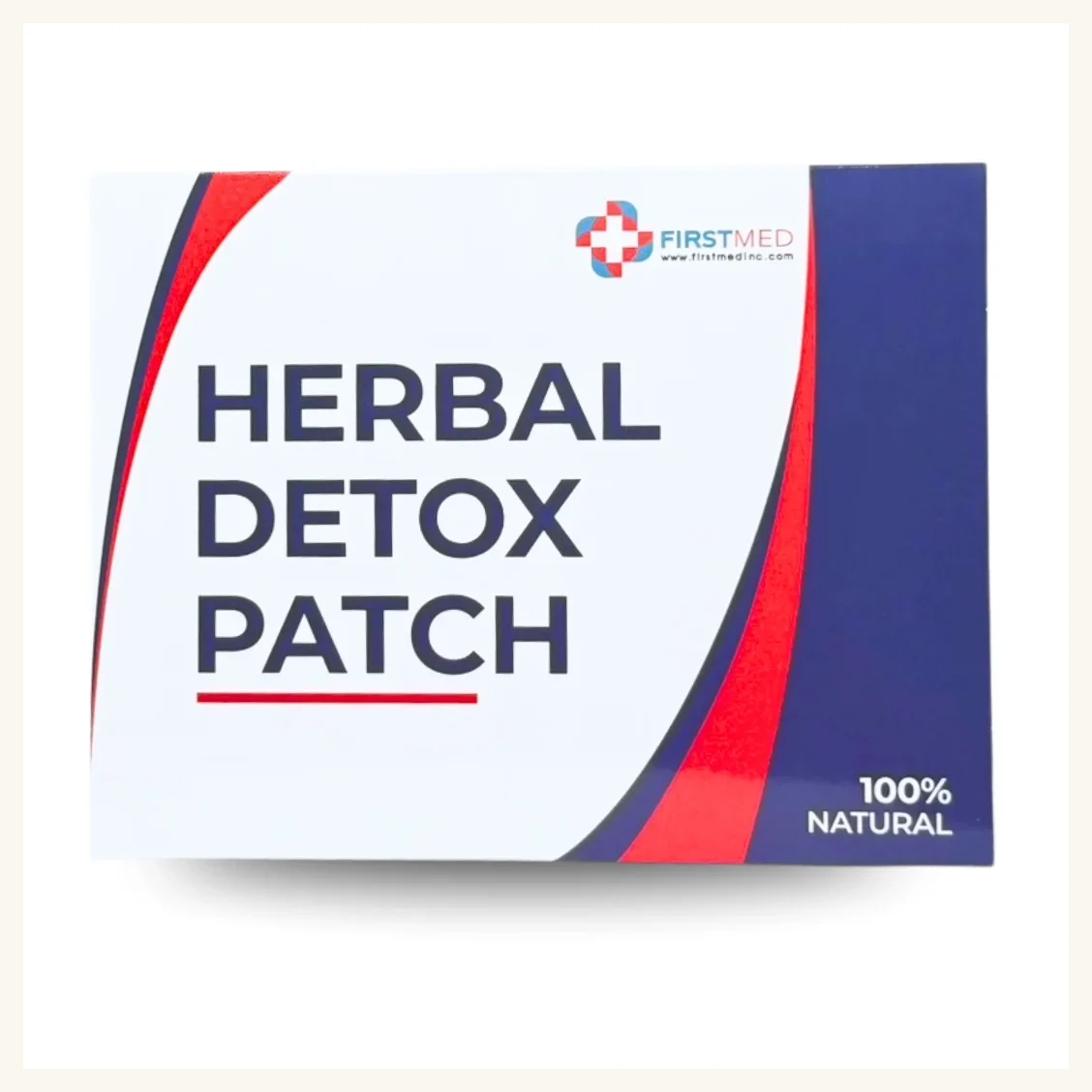
A herbal nicotine patch is a skin patch that combines a nicotine source with plant ingredients. It works like any other transdermal patch: you press it onto clean skin, and it releases its contents steadily throughout the day. The delivery method is not new or unusual. What distinguishes a herbal patch from a standard pharmacy product is the ingredient list, not the mechanism.
Where the "herbal" part comes in
The word "herbal" on a nicotine patch points to two things. First, the nicotine comes from a plant extract rather than being listed as a bare chemical compound. Second, the formula includes botanical ingredients alongside it, not just the nicotine alone.
In our patch, that means four named ingredients: natural tobacco extract providing 7 mg of nicotine per patch, plus resveratrol, liquorice root and clove. Every ingredient appears on the label by name. None is buried inside a proprietary blend or a formula number without further explanation.
7 mg
nicotine per patch
From natural tobacco extract
4
named ingredients
Each one listed by name
30
patches per box
One patch a day, a month's supply
The product label, as described in this guide.
Natural tobacco extract: where the nicotine comes from
The nicotine in this patch comes from tobacco, the plant. Natural tobacco extract names the source plant, Nicotiana tabacum, and the amount per patch: 7 mg. That figure is what matters when comparing products, not the word "natural" before the ingredient name.
Extracting nicotine from tobacco leaves isolates it from the other compounds present in whole-leaf tobacco. The result is a standardised extract that delivers nicotine through the skin. The chemistry of the alkaloid itself does not change based on which plant it came from or how it was extracted.
Some people assume "natural tobacco extract" means the patch contains tobacco leaf or tobacco smoke. It does not. It contains the alkaloid that occurs naturally in the tobacco plant, measured and listed at a stated dose per patch.

The three botanicals alongside it
Resveratrol, liquorice root and clove are the three plant ingredients that sit alongside the tobacco extract. Each is a named, individually listed component. None is a category placeholder.
Resveratrol is a polyphenol concentrated in red grape skins. It also turns up in berries and peanuts and ranks among the most intensively studied plant compounds in published scientific literature.
Liquorice root comes from Glycyrrhiza glabra, a plant with a long history of use in traditional practice across multiple cultures. Its root contains glycyrrhizin, a triterpenoid saponin, along with several classes of flavonoids including liquiritin and isoliquiritigenin.
Clove is the dried flower bud of Syzygium aromaticum. Its main compound, eugenol, accounts for the large majority of clove bud oil and gives clove its characteristic warm scent. All three botanicals have dedicated bodies of published research. A separate guide on this site covers each of them in detail.
How transdermal delivery works
Transdermal means through the skin. A nicotine patch works by creating a concentration gradient between the patch contents and the skin beneath it. The ingredients in the patch are held at a higher concentration than in the tissue below, so over time they move from high concentration to low, passing through the skin layers.
The skin's outermost layer, the stratum corneum, is the principal barrier to absorption. Patch design accounts for this: the surface area of the patch, the concentration of the ingredient matrix, and the composition of the adhesive all influence how quickly and consistently the ingredients are delivered into the tissue beneath.
For nicotine, a transdermal patch produces a slow, steady absorption profile over the wear period. Rather than arriving all at once, nicotine enters circulation gradually over hours. This is one reason the patch format is used rather than other delivery routes.
How a patch is constructed
A transdermal patch is a layered device. The outermost layer, the backing, is a flexible film that holds the formula in place and prevents loss through the top surface. Beneath it sits the ingredient matrix or reservoir, where the nicotine and other ingredients are suspended in a carrier.
Some patch designs include a rate-controlling membrane between the matrix and the skin-contact layer. This membrane limits how quickly the ingredients move toward the skin, which is one way manufacturers control the delivery rate. The innermost layer is the contact adhesive, which keeps the patch adhered to the skin. In simpler matrix-style patches, the ingredients are dispersed directly in the adhesive layer.
The release liner is the backing you peel away before applying the patch. It protects the adhesive and keeps the formula intact until the moment of use. Patches should be applied as soon as the sachet is opened, not left exposed before use.
What "herbal" means
Herbal describes where the ingredients come from. A herbal nicotine patch still contains nicotine, so it gets the same care as any nicotine product: keep it, used ones too, away from children and pets, and check with your doctor first if you're pregnant, breastfeeding or have a heart condition.
Nicotine is the same molecule whether it comes from a plant extract or is made in a lab.
The botanicals are named on the label one by one, and our botanicals guide covers what researchers have studied each of them for.
How to evaluate a herbal patch
When comparing herbal nicotine patches, the ingredient list is where to start. Look for a stated nicotine amount in milligrams. If a brand calls its patch herbal but gives no specific number, you cannot assess its contents on that dimension.
Look for every botanical named individually, not grouped into a "blend" or "complex" without further detail. Blends can contain anything; named ingredients mean you can look each one up. Look also for a clear patch count and a stated wear period. One patch per day and 30 per box means a month's supply. Both pieces of information together let you compare cost per day across products consistently.
A patch that provides all of this is one you can evaluate properly. A patch that relies on vague language while withholding specifics is asking for trust its label has not earned.
Questions worth asking before you buy
Before purchasing any nicotine patch, these questions cover the essentials. How many milligrams of nicotine does each patch deliver? What are all the ingredients, including any botanicals, listed individually? How many patches come in the box, and what is the recommended frequency of use? What warnings and contraindications appear on the label?
If a product answers all four clearly from its label alone, you have what you need to make an informed comparison. If it skips any of them, you are being asked to make a decision on incomplete information.