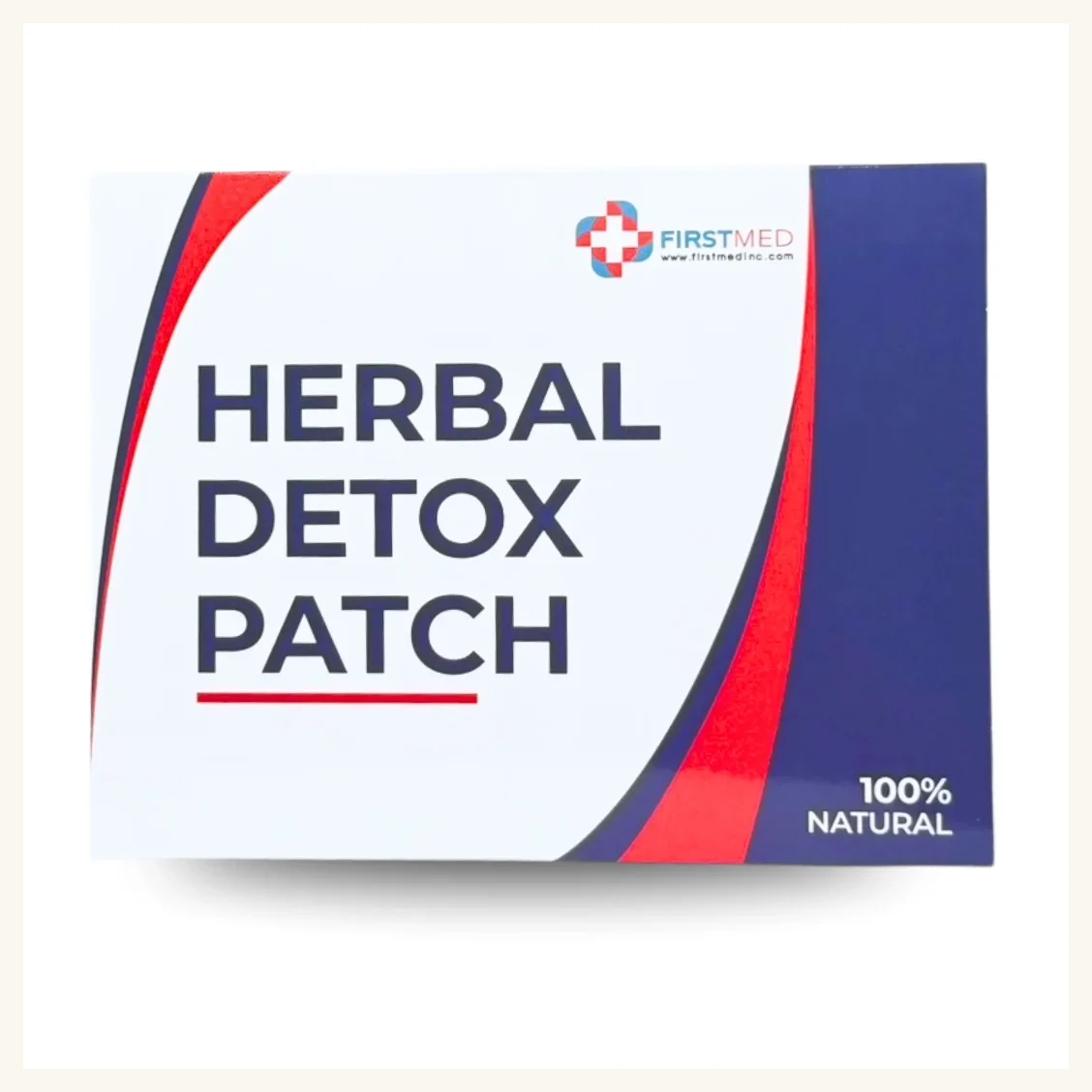
Three of the four ingredients in the patch are botanicals: resveratrol, liquorice root and clove. None of them is new. Each has a documented history of human use and a body of published research examining its chemical properties. This guide covers where each ingredient comes from, what compounds it contains, and what areas of science have studied it.
Resveratrol
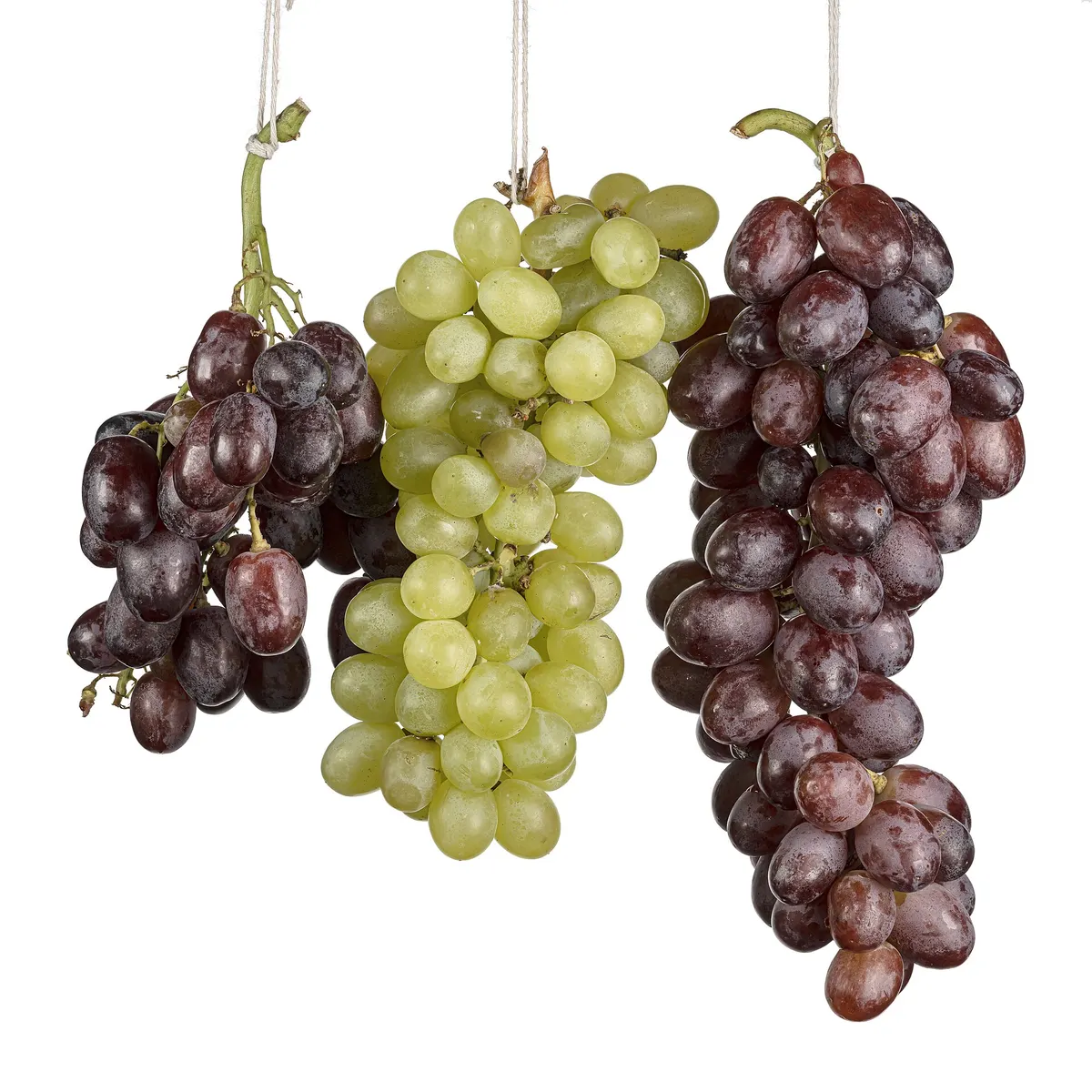
Resveratrol is a stilbenoid, a subtype of polyphenol produced by plants in response to injury or pathogen attack. Its most concentrated natural source is the skin and seeds of grapes, though it also occurs in berries, peanuts and several other plants.
The compound was first isolated in the 1940s from the roots of Veratrum grandiflorum. Research interest in it grew substantially from the 1990s onward. A 2024 comprehensive review in Food Science and Nutrition (PMC11016399) notes it ranks among the most heavily researched plant polyphenols in published literature.
What research has examined resveratrol for
The 2024 review (PMC11016399) covers the primary research areas. Resveratrol has been studied for antioxidant activity through free radical scavenging, and for anti-inflammatory mechanisms involving NF-kB and MAPK pathway modulation in cell studies.
The same review reports that oral absorption of resveratrol is approximately 75%, but that bioavailability remains low at under 1%, primarily because of rapid metabolism and elimination after absorption. This gap between absorption and bioavailability has been a persistent focus of resveratrol research and has driven studies into alternative delivery formats including nanoparticle systems.
Resveratrol has also been examined for effects on gut microbiota composition. Some studies in the review report increases in Lactobacillus and Bifidobacterium species. Other active areas of investigation the review covers include cardiovascular biology, metabolic function and neurological research.
Liquorice root
Liquorice root comes from Glycyrrhiza glabra, a leguminous plant native to southern Europe and southwest Asia. The name Glycyrrhiza comes from the Greek for sweet root: the root contains glycyrrhizin, a triterpenoid saponin that is roughly 50 times sweeter than sucrose by weight.
Beyond glycyrrhizin, the root contains several classes of polyphenolic compounds. The main flavonoids identified include liquiritin, liquiritigenin and isoliquiritigenin. Chalcones and isoflavonoids are also present. This diversity of compound classes has made Glycyrrhiza glabra a subject of broad phytochemical research.
Liquorice root in traditional practice and modern study
Liquorice root has one of the longest documented histories of any plant ingredient in traditional medicine. It appears in the classical Chinese pharmacopoeia under the name Gan Cao, in Ayurvedic practice as Yashtimadhu, and in European herbalism in records dating to ancient Egypt and Mesopotamia.
Modern laboratory research on the root's compounds began with the isolation of glycyrrhizin in the 19th century. Research on its flavonoid components grew through the latter half of the 20th century. A 2021 comprehensive review of the genus Glycyrrhiza (PMC8703329) covers the phytochemistry and research literature in detail.
Liquorice root is also widely used as a food flavouring, in confectionery, beverages and tobacco products. Its status as a permitted food ingredient across numerous regulatory frameworks reflects how long it has been in human use.
What researchers study liquorice root for
Laboratory studies have examined glycyrrhizin and the root's flavonoid components for antioxidant activity and anti-inflammatory properties. The review at PMC8703329 covers these findings in detail.
Research interest has also extended to the antimicrobial properties of specific compounds in the root, to glycyrrhizin's structural features and their relevance to inflammatory signalling studies in cell models, and to the root's interaction with cytochrome P450 enzymes relevant to drug metabolism research.
One safety note that appears consistently in the research literature: consuming large amounts of glycyrrhizin over extended periods has been associated with elevated blood pressure and disrupted potassium levels in some individuals. This is documented in clinical studies and is relevant information for anyone using products that contain liquorice root in significant concentrations.
Clove
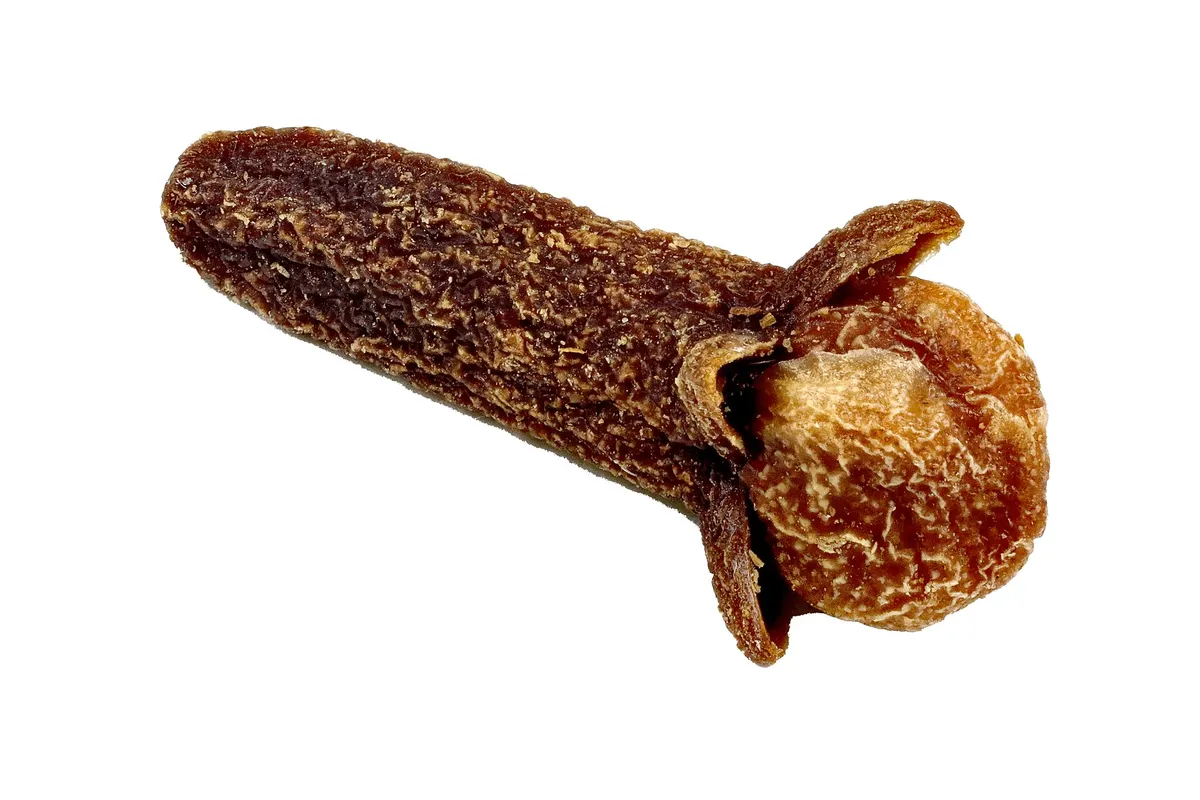
Clove is the dried flower bud of Syzygium aromaticum, a tree in the myrtle family native to the Maluku Islands in eastern Indonesia. For several centuries, clove was among the most valuable traded commodities in the world, and control of its production shaped significant trade routes and colonial conflicts in the 17th century.
The essential oil of clove bud consists largely of eugenol, which accounts for 45 to 90 percent of total clove bud oil depending on extraction method and plant source. Eugenol is the compound responsible for clove's characteristic warm, spicy scent and is the primary focus of modern research on the plant.
Eugenol: the compound researchers study
A review published in the journal Molecules (PMC6268661) by Kamatou, Vermaak and Viljoen covers eugenol's history, natural sources and documented biological properties in detail. The review notes that eugenol has been studied for antimicrobial, anti-inflammatory, antioxidant and analgesic properties in laboratory and animal models.
For antimicrobial properties, the review documents inhibition of bacterial and fungal species in laboratory settings, including synergistic effects with conventional antimicrobial compounds. For anti-inflammatory activity, researchers have studied COX-2 enzyme suppression and effects on prostaglandin production in cell models.
Eugenol holds GRAS (Generally Recognized as Safe) status from the United States FDA, reflecting its long history as a food flavouring and fragrance ingredient. It is present in cloves, nutmeg, cinnamon and basil, among other commonly consumed plants.
Three ingredients, one label
Resveratrol, liquorice root and clove are each well-documented plant ingredients with long histories and substantial published research. They appear in this patch as named, individually listed components alongside the nicotine source.
The ingredient list tells you what you are wearing, and the reviews linked below let you look up each compound for yourself.
about 75%
oral absorption of resveratrol
2024 review
under 1%
resveratrol bioavailability
Rapid metabolism and elimination
roughly 50 times
sweeter than sucrose, by weight
Glycyrrhizin in liquorice root
45 to 90%
eugenol in clove bud oil
Depends on extraction and plant source
Reviews cited in this guide
Further reading
The linked research covers each ingredient on its own and is not a study of this patch. These statements have not been evaluated by the FDA or the TGA. This product is not intended to diagnose, treat, cure, or prevent any disease.